
Flexible Thinking Psychology: From 2 Bookings a Month to a Full Calendar
Flexible Thinking Psychology, Earlwood, Sydney
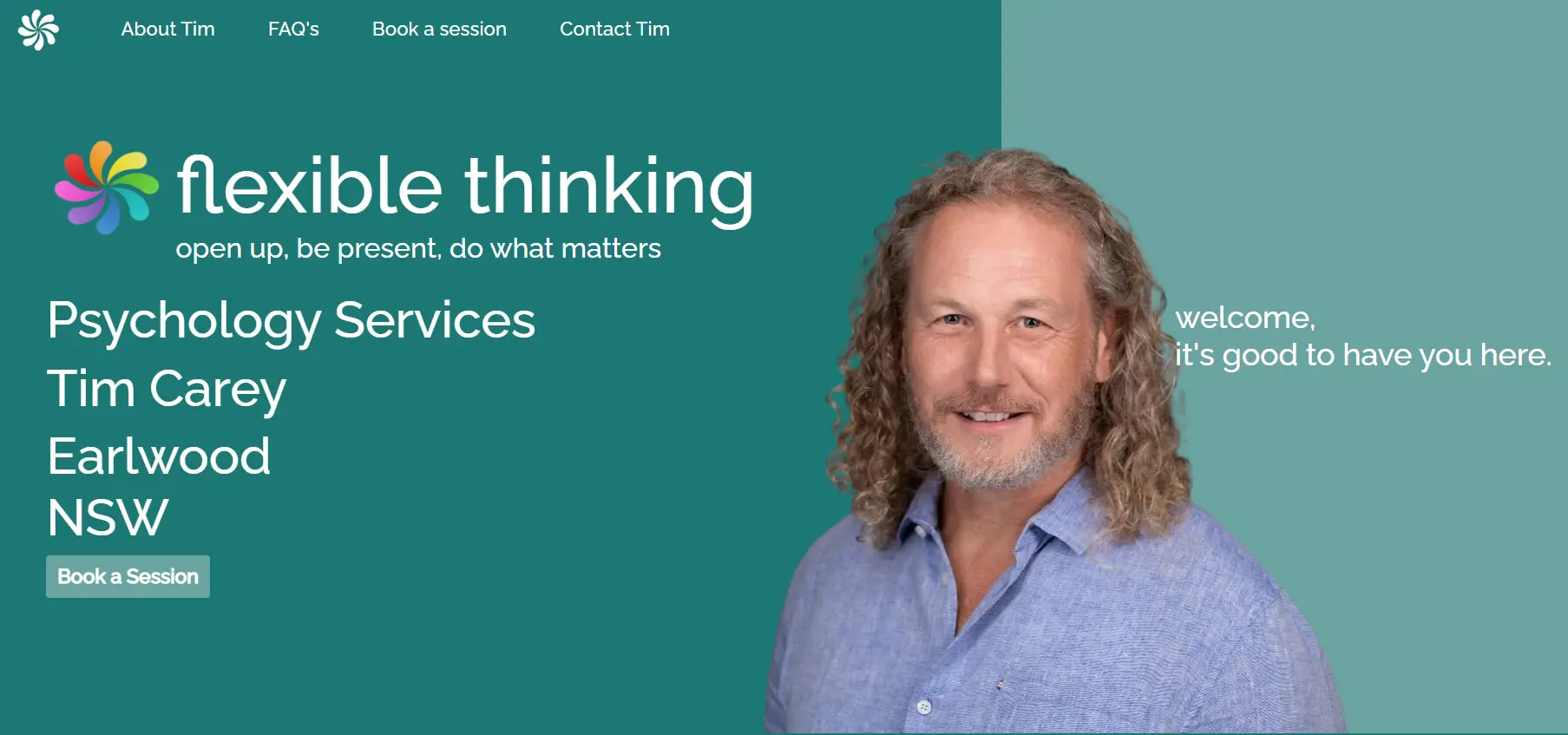
Services Provided
When we took over the Google Ads for Flexible Thinking Psychology, a registered psychology practice in Earlwood, Sydney, it was producing 2 bookings a month after a Smart campaign that started strongly and fell away. The campaign has since delivered 10 to 15 booked appointments a month, and the practitioner's calendar is full.
Result: From 2 to 10-15 booked appointments a month from Google Ads.
Working together: Since February 2022
Services: Custom website, SEO, Google Ads management, Halaxy booking tracking
The challenge
When we took over in February 2022, the practice's Google Ads were producing about 2 bookings a month, and its website was a single page hosted on GoDaddy.
The campaign was a Google Smart campaign. Its early conversions came from generic searches such as "psychologist", "psychologist near me" and "best psychologist", and then it dropped away sharply. We believe the dip followed the early success a Smart campaign tends to deliver, before an account settles into the results it can actually sustain.
Fixing one campaign wouldn't have been enough. The practice needed a website, a search presence and a booking flow that worked together, so we started with the site.
How it unfolded
We started with the website, then the ads, and kept refining both. Here's the work, newest first.
| When | What happened |
|---|---|
| Oct 2026 | Auction Insights shows online therapy and telehealth platforms taking a bigger share of the auctions the practice enters. The calendar is full. |
| Jun 2026 | Consolidated the campaign after separate ad groups for depression, anxiety and grief thinned the budget without the conversions we expected. Paused brand and suburb ads, because the practice already ranks first on Google for its own name and suburb. |
| Apr-May 2026 | Fixed the tracking issue where Google Ads wasn't receiving the booking event from Halaxy, and raised the daily budget from $15 to $30, then $57. Together they made a night-and-day difference. |
| Late 2025 | Added content explaining each service in more depth. |
| Jun 2022 | Started managing the Google Ads, a month after the new site launched. |
| May 2022 | Launched a multi-page website with a page for each condition the practice treats, replacing a single page on GoDaddy. |
| Feb 2022 | Took over at 2 bookings a month and started on the website. |
The results
Google Ads has delivered 10 to 15 booked appointments a month, up from 2, and the practice's calendar is full.
thanks for keeping the calendar full, it's been great :)— Tim, Flexible Thinking Psychology
Those figures are Google Ads bookings only. In the most recent 30 days Google Ads recorded 6, with the calendar already full.
The account data also showed three things that shaped how we ran it:
- Tracking revealed the real cost. In one 60-day window Google reported 116 conversions at about $26 each. But 87 of those were clicks on a booking link, and only 29 were confirmed bookings, which put the real cost at about $104.
- Click prices rose as competition grew. On the broad keyword "psychologist" the average cost per click went from $1.79 to more than $5, while the Quality Score and click-through rate stayed flat. Google's Auction Insights report shows online therapy and telehealth platforms gaining share over the same period.
- Owning the practice's name organically cut waste. Because SEO already put the practice first for its own name and suburb, we stopped paying for those clicks, including clicks from existing clients.
A typical new client attends ten sessions, the number Medicare covers with a GP mental health plan. At the practice's published private fee of $180, that is up to about $1,800 in fees per new client, so even the highest recent cost per confirmed booking, $343, is about 19% of it.
We've written up the full data in a companion article for practices whose Google Ads have stopped performing.
What we learned
Three things stood out. Google can only optimise for what it's told, and before the fix it wasn't receiving the booking event from Halaxy, so it had nothing real to learn from.
Money spread across too many ad groups buys too few clicks in each. Separate ad groups for depression, anxiety and grief thinned the budget, so we concentrated it and let the website carry the specificity with a page for each condition.
And a practice that already ranks first for its own name shouldn't pay to be found by it. The ad budget now goes to people who haven't heard of the practice yet.
Want the same for your practice?
If your Google Ads have stalled, or you can't tell what your conversions are really counting, get in touch with firstSites for a look at your account.